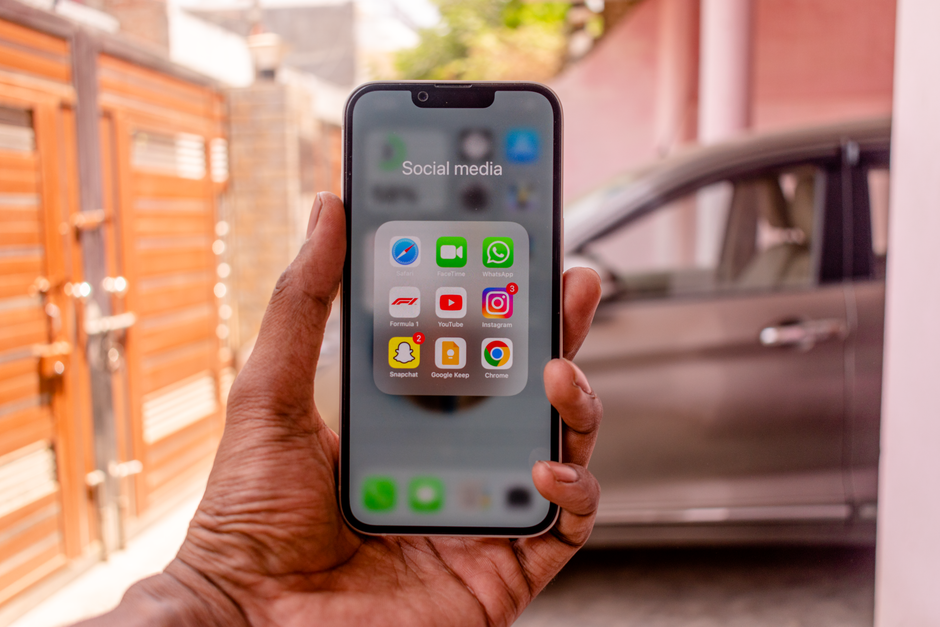
Every year I go through the same ritual: I refresh my home screen, delete the apps I ignored, and test the new wave of mobile software that promises to change everything. 2026 is no different—except this time the shift feels seismic. AI is no longer a buzzword buried in a settings menu; it’s the engine running the best mobile apps 2026. From personal assistants that truly understand context to creative tools that generate studio‑grade content on a phone, this year’s lineup is the most exciting I’ve seen in a decade. In this complete guide, I’ll walk you through the productivity beasts, the AI standouts, and the entertainment heavyweights that deserve a permanent spot on your device.
The Rise of AI in Mobile Apps: Our 2026 Landscape
The mobile app ecosystem in 2026 is defined by deep, on‑device AI. After the launch of iOS 26 public beta, Apple pushed system‑wide intelligence that learns your habits across apps. Google followed suit with Gemini 2.5 Pro and its 1‑million‑token context window, enabling apps to recall entire conversations. This isn’t just about faster autocorrect—it’s about apps that anticipate your next move. Whether you’re scheduling a meeting or editing a video, the best mobile apps 2026 blur the line between tool and partner. And as we saw with five voice search trends for mobile devices, voice is becoming the primary interface for many of these AI‑first experiences.
Top Productivity Apps for 2026
Notion vs. Obsidian: The Note‑Taking Titans
I’ve used both extensively, and I can tell you the gap is narrowing. Notion 2026 introduced AI that summarises meeting notes and drafts action items in its new “Workspace Brain” feature. Obsidian, meanwhile, added local LLM support for fully offline knowledge graphs—perfect for privacy‑conscious users. Both now support real‑time collaboration, but Obsidian’s graph view gives it an edge for visual thinkers. If you’re building a second brain, these are the two pillars of the best mobile apps 2026 for productivity.
Automation Powerhouses: Shortcuts and IFTTT
Apple Shortcuts finally gained the ability to run complex multi‑step automations triggered by app usage patterns—no coding required. IFTTT revamped its applet creation with a natural‑language builder: just say “if I leave the office, then turn off my smart lights” and the app generates the logic. Both integrate seamlessly with the new on‑device AI assistants, making them essential for anyone who wants to stop repeating mundane tasks.
AI‑Powered Apps Redefining Daily Life
Generative AI on the Go: ChatGPT and Gemini
ChatGPT’s mobile app now runs a distilled version of GPT‑5 that can edit photos, write code, and even control other apps via app intents. Google’s Gemini app, built on the powerful Gemini 2.5 Pro model with its 1‑million‑token context window, can ingest entire documents or hour‑long podcasts and answer questions with pinpoint accuracy. I use both daily, and the context retention alone makes Gemini the better choice for research. For creative brainstorming, ChatGPT’s multimodal capabilities (voice, image, text) feel more fluid. These are undoubtedly the best mobile apps 2026 for anyone who wants an AI co‑pilot.
Creative AI: Image and Video Editors
Adobe Lightroom’s “Adaptive Presets” now use scene understanding to adjust lighting and colour in real time—no sliders needed. For video, DaVinci Resolve’s mobile version introduced AI‑powered colour grading and voice‑controlled editing. And a new contender, PixelCut Studio, generates entire short‑form videos from a prompt, complete with stock footage and captions. As we reported in our coverage of AI‑powered smart glasses 2025, the line between capture and creation is vanishing.
Entertainment Apps Taking Center Stage
Streaming Trends and Multi‑Platform Experiences
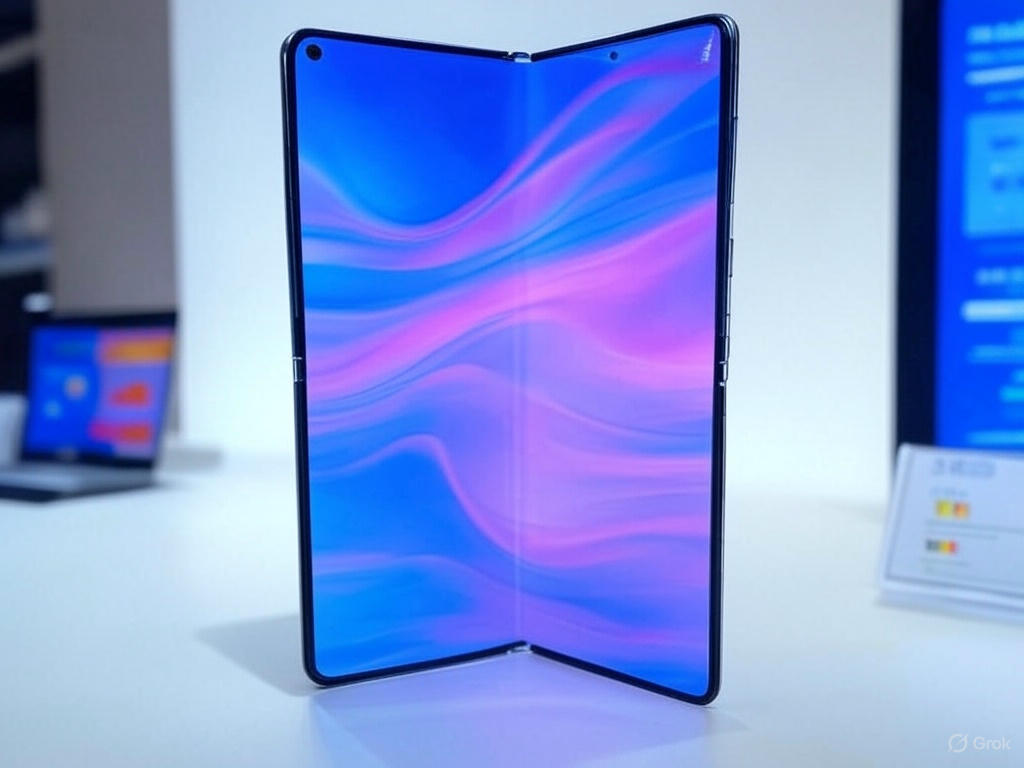
Netflix and Disney+ now offer AI‑curated “Smart Playlists” that adapt to your mood—Fast & Furious when you’re bored, nature docs when you’re stressed. But the real game‑changer is app interoperability: you can start a movie on your phone in the garage and pick it up on your foldable’s inner screen without missing a beat. Speaking of which, early adopters of foldables should read our deep dive on foldable smartphone durability concerns to make sure your device can handle heavy media consumption.
Social Media’s AI Revolution
TikTok’s algorithm got a 2026 update that uses small language models running locally on your phone to predict what you’ll like before you even see the feed. Instagram rolled out “Creator AI” that can automatically edit your Reels, add captions, and schedule posts based on engagement predictions. While these apps are still entertainment‑first, they’re increasingly becoming productivity tools for creators. For a deeper look at how AI is reshaping voice interactions, see our analysis of Gemini 2.5 Pro 1‑million‑token context use cases.
Comparison Table: Top 5 Essential Apps of 2026
| App | Category | AI Integration | Platform | Price |
|---|---|---|---|---|
| Gemini 2.5 Pro | AI Assistant | 1M token context | Android, iOS | Free / $19.99 mo. |
| Notion | Productivity / Notes | Workspace Brain | Android, iOS, Web | Free / $10 mo. |
| DaVinci Resolve Mobile | Video Editing | AI colour grading | iPad only | Free |
| TikTok | Social / Entertainment | On‑device local LLM | Android, iOS | Free |
| Apple Shortcuts | Automation | Pattern‑based triggers | iOS only | Free |
The table above covers my current daily drivers. The price points reflect ad‑free or premium tiers that unlock the best mobile apps 2026 have to offer. As you can see, the market is increasingly moving toward freemium models with powerful AI features available at a reasonable monthly cost.
How to Choose the Right Apps for Your Workflow
I’ve learned the hard way that downloading every hot app leads to notification fatigue and a cluttered home screen. The best mobile apps 2026 are the ones you actually use. Start by identifying your biggest time‑wasters: is it scheduling, note‑taking, or content creation? Then pick one app from each category. For example, if you’re a journalist, pair Gemini (research) with Notion (writing) and Apple Shortcuts (automation). If you’re a creator, combine DaVinci Resolve (editing) with TikTok (distribution). And if you’re still using iOS, check the iOS 26 public beta to see which native features might replace third‑party apps altogether. The goal isn’t to have a hundred apps—it’s to have a handful that feel like superpowers.
The Future of Mobile Apps: Predictions Beyond 2026
Looking ahead, I see three trends accelerating: first, on‑device AI will become so powerful that many apps will work offline with near‑cloud accuracy. Second, the line between app and operating system will blur—iOS 26’s built‑in intelligence already replaces things like document scanners and translation tools. Third, foldable and dual‑screen devices will force app developers to rethink layouts; our foldable durability report suggests that these form factors are here to stay, so adaptive UI will become a must. Finally, voice as an interface will continue to grow, as we detailed in voice search trends. The best mobile apps 2026 are just the beginning; the apps of 2027 will likely be embedded in our habits before we even realise they’re there.
After testing over fifty apps this year, I can confidently say that the future is bright—and it’s already on your phone. Take the time to experiment, delete what doesn’t serve you, and embrace the tools that genuinely improve your day. Whether you’re boosting productivity, exploring creativity, or simply unwinding with entertainment, the best mobile apps 2026 are designed to meet you where you are. And as always, I’ll be here to test the next wave.

Leave a Reply