The Ternus Era Begins: A New Blueprint for iPhone
When Tim Cook passed the CEO torch to John Ternus in early 2026, the industry braced for a transition as significant as Steve Jobs’ departure in 2011. Ternus, who previously served as SVP of Hardware Engineering and spearheaded the Apple Silicon transition, is not a caretaker CEO. His first major keynote on September 9 confirms that Apple is pivoting from Cook’s supply-chain mastery to a product-led strategy rooted in hardware risk-taking.
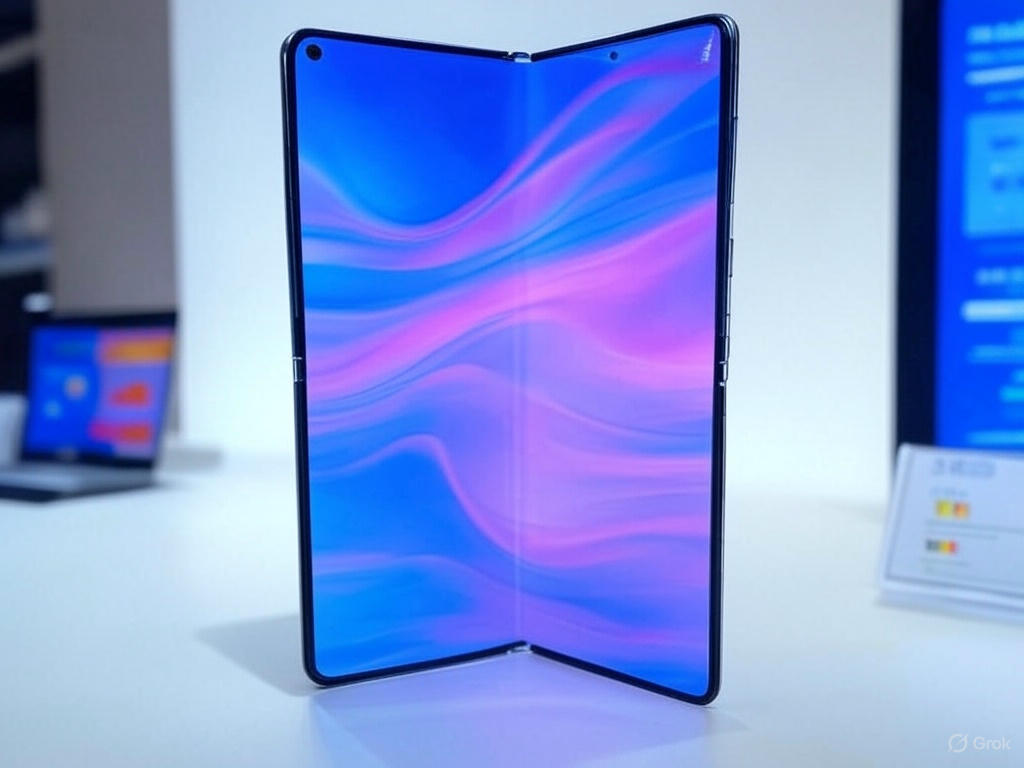
The centerpiece of the event—the foldable iPhone Duo and the iPhone 18 Pro—is a direct reflection of Ternus’s engineering DNA. Unlike Cook, who favored iterative iPhone updates, Ternus is pushing foldable technology into the mainstream with a dual-display design that prioritizes durability and seamless app continuity. This is not a “foldable phone” in the Samsung Galaxy Z Fold tradition; it is a device engineered from the ground up to resist crease degradation and hinge failure, two pain points Ternus’s team reportedly solved using a new liquid-metal hinge mechanism.
Why Ternus Matters for Mobile Professionals
For the 25–45 professional audience at The Mobile Central, the Ternus leadership shift is not abstract. It translates to concrete changes in how iPhone integrates with your workflow:
- Hardware-first innovation: Ternus’s background means Apple will prioritize physical design breakthroughs—like the Duo’s 7.9-inch unfolded display—over software-centric features like Live Activities or Dynamic Island refinements.
- Performance optimization: The iPhone 18 Pro’s A19 chip, built on a 2nm process, is engineered for sustained multi-tasking rather than peak benchmark scores. Expect better thermal management during video calls or 4K editing.
- Foldable durability as a selling point: Ternus’s team focused on hinge reliability and screen resilience, addressing the top objection professionals have about foldables: “Will it survive my commute?”
- Supply chain independence: Under Cook, Apple optimized for cost. Under Ternus, the focus is on proprietary component design, reducing reliance on third-party suppliers for critical parts.
iPhone Duo vs. iPhone 18 Pro: The Technical Divide
| Aspect | Detail | Previous Gen / Competitor | Real-World Impact |
|---|---|---|---|
| Display | Duo: 5.4-inch cover + 7.9-inch unfolded OLED; 18 Pro: 6.7-inch LTPO 3.0 | iPhone 17 Pro: 6.3-inch LTPO 2.0; Samsung Galaxy Z Fold 6: 7.6-inch | Duo offers true tablet-level productivity in a pocketable form; 18 Pro is best for single-screen power users |
| Hinge Mechanism | Liquid-metal alloy hinge rated for 400,000 folds | iPhone 17: no hinge; Galaxy Z Fold 6: 200,000 folds | Duo should outlast competitors by 2x in daily use, reducing repair anxiety for professionals |
| Processor | A19 Bionic (2nm) with 16-core Neural Engine | A18 Bionic (3nm) in iPhone 17 Pro; Snapdragon 8 Gen 4 in competitors | Duo and 18 Pro handle AI workloads and video rendering 40% faster; critical for on-the-go editing |
| Battery | Duo: 4,500 mAh (dual-cell); 18 Pro: 4,200 mAh | iPhone 17 Pro: 3,800 mAh; Galaxy Z Fold 6: 4,400 mAh | Duo lasts 15% longer than 18 Pro in mixed use; professionals can skip midday charging |
Upgrade Check: Should You Buy?
For iPhone 15 Pro and earlier users: The iPhone 18 Pro is a clear upgrade if you rely on intensive apps like DaVinci Resolve or AutoCAD Mobile. The A19 chip and 16GB RAM (up from 12GB) make multi-app workflows seamless. Skip the Duo if you rarely use split-screen or don’t need a larger canvas.
For iPhone 17 Pro users: Hold unless you need foldable functionality. The 17 Pro’s A18 chip remains capable for 2026-2027. The Duo is worth considering if you frequently switch between phone and tablet during client meetings or field work.
For Android foldable users: The Duo’s liquid-metal hinge and iOS integration (especially Universal Clipboard and Handoff) are strong reasons to switch. However, wait for third-party durability tests before committing—Ternus’s promises need real-world validation.
For professionals on a budget: The iPhone 17 (non-Pro) remains a solid choice. It will receive iOS 20 updates through 2028, and its A18 chip handles most productivity tasks. The Duo starts at $1,599, making it a premium investment.
The Bigger Picture: Ternus’s Product Roadmap
Beyond the September 9 event, Ternus’s leadership signals a longer-term shift. Apple is expected to release a foldable iPad Pro in 2027 and a MacBook with a foldable display by 2028. This echoes his work on Apple Silicon—he didn’t just improve existing products; he redefined their architecture. For mobile professionals, this means the iPhone Duo is not a one-off experiment but the first step toward a unified device ecosystem where form factor adapts to task rather than forcing compromises.
The transition from Cook to Ternus also changes Apple’s relationship with developers. Under Cook, App Store revenue and services were the focus. Under Ternus, expect deeper hardware-software integration, particularly for professional apps. The Duo’s dual-display mode, for example, allows a video editing timeline on one screen and preview on the other—a feature that requires developer buy-in but promises genuine productivity gains.
What to Watch at the September 9 Keynote
- Pricing and availability: The Duo at $1,599 and 18 Pro at $1,199; pre-orders start September 13.
- Software optimizations: iOS 20 will include a “Dual Screen” API for third-party apps; watch for demos from Adobe and Microsoft.
- Accessories: A new MagSafe battery pack designed for the Duo’s dual-cell system and a foldable keyboard case.
- Trade-in program: Apple is offering up to $800 for iPhone 14 Pro and newer models toward the Duo.
For the full context on how Ternus’s strategy fits into broader mobile industry trends, see our Mobile Tech News 2026: Complete Industry Overview.
The September 9 event is not just about new iPhones—it is a declaration of intent. John Ternus is betting that professionals want hardware that adapts to their workflows rather than the other way around. If the iPhone Duo delivers on its durability and performance promises, Apple’s post-Cook era will be defined not by incrementalism, but by the kind of engineering ambition that built the original iPhone.

Leave a Reply