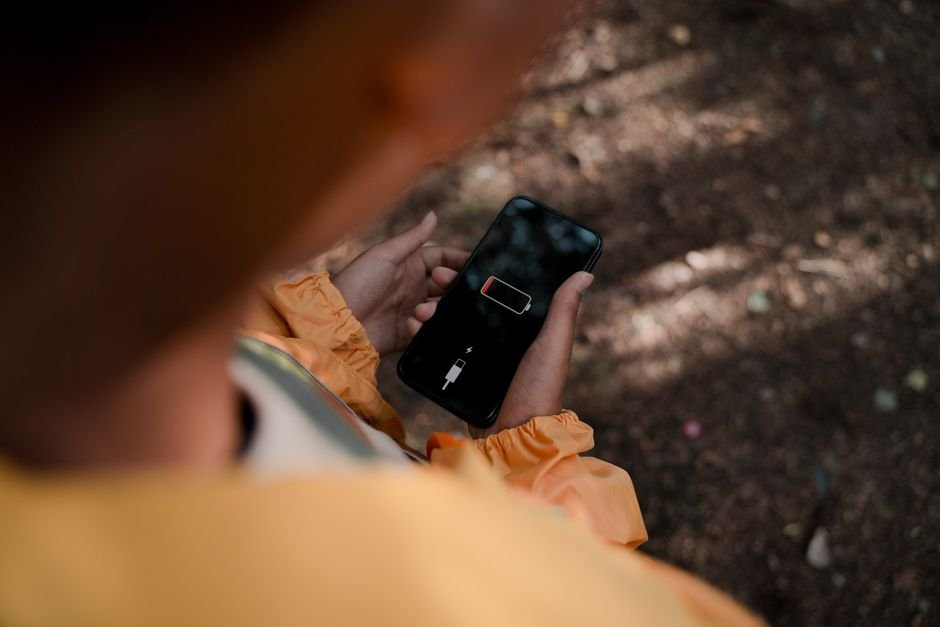
Why Silicon-Carbon Changes the Battery Game
For years, lithium-ion batteries hit a density ceiling: pack more capacity, and the phone gets thicker and heavier. Silicon-carbon anodes solve this by replacing graphite with silicon, which can store up to 10x more lithium ions per unit volume. The result? Phones that slim down while packing capacities previously reserved for thick “powerhouse” bricks.
In 2026, every major Chinese OEM has adopted Si/C cells. Here’s how the key players stack up:
| Aspect | Detail | Previous Gen/Competitor | Real-World Impact |
|---|---|---|---|
| Capacity vs. Thickness | Honor Magic7 Pro: 5,850mAh at 8.8mm; OnePlus 14: 6,300mAh at 8.9mm; RedMagic 11 Pro: 6,500mAh at 8.9mm | iPhone 16 Pro Max: 4,685mAh at 8.25mm; Galaxy S25 Ultra: 5,000mAh at 8.6mm | Si/C phones deliver 20-40% more battery in same or thinner frames. You get 1.5 to 2 days of heavy use without a brick-like device. |
| Charge Speed | 80-120W wired; 0-50% in 12-15 minutes; full charge in 30-40 minutes | iPhone 17: 35W max; Galaxy S26: 45W max; both 0-50% in ~25 min | Si/C phones recharge twice as fast. A 15-minute top-up during a meeting gives you 50% battery vs. 25-30% on Apple/Samsung. |
| Cold Performance | Maintains 80%+ capacity at -20°C; minimal voltage sag | Li-ion drops to 50-60% capacity at -20°C; risk of sudden shutdown | Outdoor workers, skiers, or winter commuters get reliable power without a battery pack. No more “phone died in the cold” mid-call. |
| Cycle Life | ~800 cycles to 80% health (reduced from Li-ion’s 500-600 cycles) | Li-ion typically lasts 500-600 cycles to 80% health | Si/C cells degrade slower—your phone stays above 80% capacity for roughly 2.5-3 years of daily charges vs. 1.5-2 years on Li-ion. |
Who Wins and Who Waits
The Si/C shift is a definitive win for Honor, Xiaomi, Vivo, OnePlus, and RedMagic. The Honor Magic7 Pro (5,850mAh) and OnePlus 14 (6,300mAh) stand out for mainstream users—they combine thin designs with big batteries and fast charging. The RedMagic 11 Pro pushes the envelope at 6,500mAh, catering to gamers who need endurance during long sessions.
On the missing side: Apple and Samsung stick with Li-ion for the iPhone 17 and Galaxy S26 series, respectively. While both remain polished in software efficiency, the battery gap is now wide enough that even casual users notice: an iPhone 17 Pro Max will likely need a mid-day charge, while an Honor Magic7 Pro coasts to bedtime with 30% remaining.
Real-World Charging and Usage
Charging speed is more than a spec sheet number. With 80-120W charging, pulling your phone from 5% to 50% takes about as long as making coffee. The Xiaomi 15 Ultra (6,000mAh, 100W) reaches 50% in 13 minutes; the OnePlus 14 hits it in 14 minutes. Even the RedMagic 11 Pro’s massive 6,500mAh cell only needs 10 more minutes to full charge than a standard Li-ion phone.
Cold performance is the sleeper feature. Si/C cells handle sub-freezing temperatures far better—outdoor photographers, delivery drivers, and mountain hikers no longer deal with abrupt shutdowns or throttled screen brightness due to voltage drops. This alone is a decisive upgrade for professionals who work in variable climates.
Upgrade Check
Here’s targeted purchasing advice based on your current device:
- If you own an iPhone 15/16 or Galaxy S24/S25: Consider upgrading only if battery anxiety is a daily pain. The Si/C advantage is real but incremental if you already charge midday. Wait for iPhone 18 or Galaxy S27 if you want a polished integration.
- If you own a 2020-2023 Android flagship (e.g., OnePlus 9, Xiaomi 12 Pro): This is a strong upgrade window. The jump from 4,500mAh Li-ion to 6,000mAh Si/C will roughly double your screen-on time. Pair it with a 100W charger for a transformative experience.
- If you frequently work outdoors, travel, or rely on your phone for navigation/hotspot: Buy now. The Honor Magic7 Pro or OnePlus 14 will save you from battery packs and missed calls. The cold-weather performance alone justifies the cost.
- If you are a gamer or heavy video consumer: The RedMagic 11 Pro at 6,500mAh is the ultimate endurance machine. Expect 12+ hours of continuous gaming or 20+ hours of video playback.
- If you prioritize thinness and one-handed use: The Vivo X200 Pro (6,000mAh at 8.7mm) and Honor Magic7 Pro are excellent picks. They trade negligible thickness for the largest capacities in their class.
Looking Forward: The Li-ion Holdouts
Apple and Samsung are not ignoring Si/C—they are testing it for 2027-2028 releases. The delay likely stems from yield, safety qualification, and supplier scaling. For now, if battery life is a deciding factor, the Android side has a clear, measurable advantage. For a full breakdown of every flagship in 2026, including camera scores and processor benchmarks, read our complete guide: Best Smartphones 2026: Ultimate Buying Guide.
Bottom line: If you are in the market for a premium phone in 2026 and battery life matters, prioritize a Si/C-powered handset. The difference between a 5,000mAh Li-ion phone and a 6,300mAh Si/C phone is not incremental—it’s the line between a device that lasts a day and one that lasts a day and a half, with faster top-ups and better cold performance to boot. Apple and Samsung will catch up, but for now, the innovators have the lead.


Leave a Reply