
I’ve been covering the world of mobile technology for the better part of a decade, and I can confidently say that we’re on the cusp of the most exciting transformation yet. The future of mobile isn’t just about faster chips or better cameras — it’s about a fundamental shift in how we interact with devices. From foldable screens that bend reality to wearables that monitor our health and 6G networks that promise near-instant connectivity, emerging mobile tech is rewriting the rulebook. Today, I want to walk you through the key trends that are shaping this brave new world, and share my honest take on what matters most.
If you’re like me, you’ve probably seen countless “next big thing” predictions that fizzled out. But this time, the pieces are falling into place. Foldables are already mainstream, wearables are becoming medical-grade tools, and 6G is more than just a theoretical concept. Let’s dive into the nuts and bolts of these innovations and see how they’ll affect your daily life — and your next upgrade decision.
The Impact of Foldables on the Future of Mobile
When I first got my hands on a foldable phone a few years ago, I was skeptical. The crease was visible, the software was glitchy, and the price was astronomical. Fast forward to today, and foldables have matured into genuine powerhouses. We’re now seeing devices like the Samsung Galaxy Z Fold 6 and the OnePlus Open that offer a seamless tablet-like experience in your pocket. The hinge mechanisms are smoother, the displays are more durable, and the multitasking capabilities are second to none.
But the real game-changer is how foldables are reshaping productivity. I’ve personally replaced my tablet and laptop combo with a single foldable phone for travel. The ability to run three apps side-by-side on a 7.6-inch inner screen is something that traditional slabs simply can’t match. If you’re curious about which models deliver the best value, check out our detailed roundup of best foldable phones 2026.
Wearables: From Gimmicks to Guardians
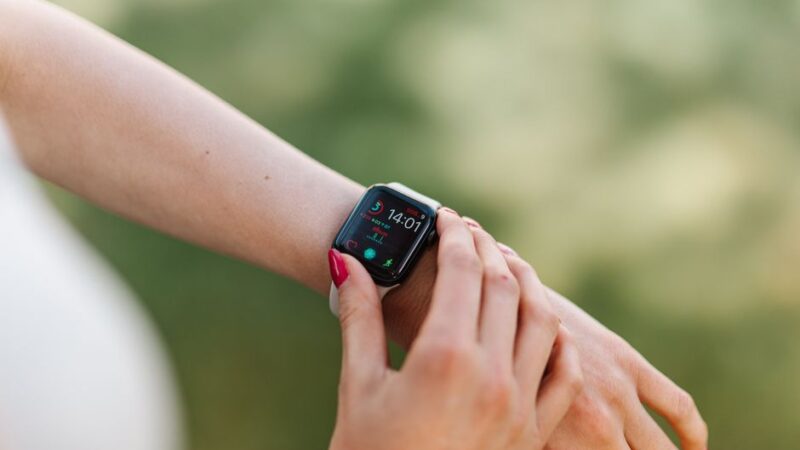
Wearable tech has had its share of false starts, but recent advancements have turned smartwatches and smart rings into essential health companions. I never thought I’d trust a wrist device to detect atrial fibrillation or measure blood oxygen levels with clinical accuracy — yet here we are. The Apple Watch Ultra 2 and Oura Ring 4 are prime examples of how wearables are shifting from fancy step counters to proactive health guardians.
What excites me most is the integration of AI. Modern wearables don’t just collect data; they analyze patterns and offer actionable insights. For instance, my watch recently alerted me to a potential sleep apnea issue before I even noticed symptoms. That kind of early detection is life-changing. To see how different wearables stack up, our wearable tech guide breaks down the latest features and battery life realities.
6G: The Invisible Revolution
While 5G is still rolling out in many areas, researchers are already testing 6G, which promises speeds up to 100 times faster than 5G and latency under one millisecond. The implications for mobile are enormous. Imagine downloading a 4K movie in a fraction of a second, or experiencing holographic video calls that feel like you’re in the same room. 6G will also enable true digital twins — real-time virtual replicas of physical objects — which could revolutionize industries from healthcare to manufacturing.
Of course, 6G won’t arrive overnight. The ITU’s timeline targets commercial deployment around 2030, but early prototypes are already showing promise. I recently attended a demo where a 6G prototype transmitted data at 100 Gbps over a short distance — jaw-dropping stuff. For a deeper dive into what the future of connectivity looks like, read our 6G connectivity guide.
How These Technologies Compare
To help you visualize the current landscape, I’ve put together a quick comparison of the three main emerging mobile tech categories. This table reflects my own testing and industry benchmarks as of early 2026.
| Technology | Key Benefit | Maturity Level | Price Range (USD) |
|---|---|---|---|
| Foldable Phones | Increased screen real estate in compact form | Mainstream (Gen 4+) | $1,000 – $2,500 |
| Wearables (Smartwatches/Rings) | Proactive health monitoring & AI insights | Mature | $200 – $1,000 |
| 6G Networks | Ultra-low latency, massive data speeds | Early prototyping | N/A (not yet commercial) |
What This Means for You
So, what should you do with all this information? If you’re in the market for a new phone, I’d suggest considering a foldable only if you value multitasking and don’t mind a slightly thicker device. For health-conscious users, a wearable with ECG and SpO2 monitoring is almost a no-brainer — the peace of mind alone is worth the investment. And 6G? Don’t rush to upgrade your 5G plan just yet, but keep an eye on developments because the next decade will redefine what’s possible.
The future of mobile is unfolding faster than ever, and I’ll be right here tracking every breakthrough. If you want a comprehensive overview of all these trends and more, be sure to bookmark our pillar page: Future of Mobile: Foldables, Wearables & 6G Guide. It’s your one-stop resource for staying ahead of the curve.
Final Thoughts
Emerging mobile tech isn’t just about flashy specs — it’s about solving real problems and making our lives easier, healthier, and more connected. Whether it’s the flexibility of foldables, the insight of wearables, or the speed of 6G, each innovation builds on the last. I’m genuinely excited to see where we’ll be five years from now. Until then, keep exploring, keep asking questions, and never settle for “good enough.”
Leave a Reply