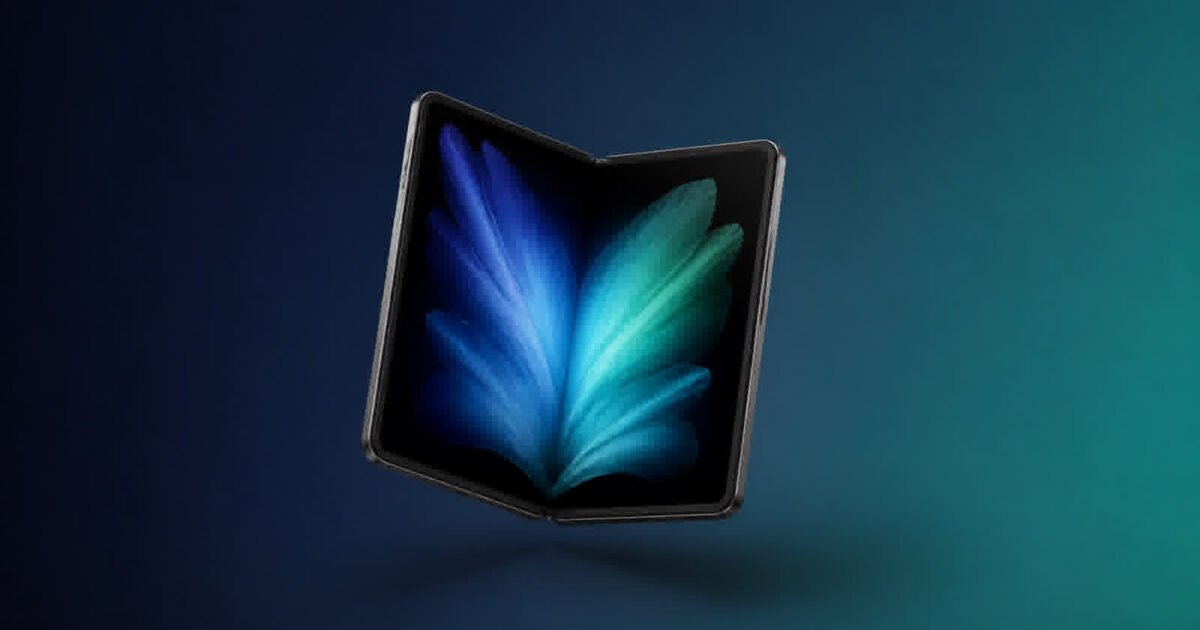
Samsung sells two very different foldables under one family name, and the Galaxy Z Fold 8 vs Z Fold 8 Ultra is this year’s biggest foldable buying decision. A foldable is a phone whose screen bends in half: a handset closed, a small tablet open. Both models were announced at Samsung’s Galaxy Unpacked event in London on July 22, 2026.
The 30-Second Verdict
For most people, the Galaxy Z Fold 8 is the better buy: it is lighter, more comfortable, and shows video with fewer black bars. Reviewers at CNET, PCMag and Android Central all preferred it for daily use. Choose the Ultra instead if the bigger 8-inch display, the 200-megapixel camera with 3x telephoto, and the larger 5,000mAh battery matter more to you than the $200 price gap.
Why Samsung now makes two Fold phones
The Z Fold 8 Ultra continues the tall, classic book-style shape of last year’s Galaxy Z Fold 7. The standard Fold 8 is a new passport design — short, wide, almost the size of a real passport. Reviewers disagree about which wins: Android Central calls the Fold 8 “the Goldilocks foldable,” while the Guardian warns its squat shape is awkward one-handed and the missing zoom is poor value at this price.
Design and displays
The Fold 8 weighs 201 grams — the lightest Z Fold yet — at 9.7mm thick closed and 4.5mm open. Its cover screen (the display used with the phone shut) is a 5.5-inch 16:10 panel; the inner screen is a 7.6-inch 4:3 panel, the shape of an iPad. CNET called that wider canvas “delightful” for video.
The Ultra keeps the tall silhouette: a 6.5-inch cover screen and an 8.0-inch inner display at 2,504 by 2,256 pixels. Both run 120Hz panels at 3,000-nit peak brightness; the Fold 8’s short cover screen leaves less room for messaging.
The crease: nearly invisible
A crease is the fold line running down the middle of a flexible display, long the category’s most obvious flaw. Samsung’s Flex Titanium display — a titanium film and plate under the OLED panel — nearly eliminates it on both phones: CNET’s reviewer “hardly notice[s] it,” and Android Central calls it “barely noticeable,” though PCMag notes the seam grew more visible after a week.
Cameras
The Fold 8 has two 50-megapixel rear cameras — a main lens and an ultrawide — with no telephoto; the Ultra adds a 200-megapixel main camera, the same 50-megapixel ultrawide, and a 10-megapixel 3x telephoto that The Verge calls “substantially superior.” Both have 10-megapixel selfie cameras.
Battery and charging: silicon-carbon explained
Silicon-carbon is a newer battery chemistry that stores more energy in a smaller space than traditional lithium-ion cells, which is how Samsung keeps the Fold 8 so thin. It packs a 4,800mAh silicon-carbon battery; the Ultra is slightly larger at 5,000mAh. Both charge at up to 45W wired — the fastest rating any Samsung foldable has shipped — plus 20W wireless. In testing, the Fold 8 lasted a full day: PCMag measured 16.5 hours, the Guardian 40 hours between charges.
Both phones share the Snapdragon 8 Elite Gen 5 chip, 12 or 16GB of RAM, and One UI 9 on Android 17, with seven years of software support through 2033.
| Feature | Galaxy Z Fold 8 | Galaxy Z Fold 8 Ultra | Verdict |
|---|---|---|---|
| Form factor and weight | Passport 4:3; 201g; 4.5mm open | Tall classic style; 215g | Fold 8 is lighter |
| Cover display | 5.5-inch 16:10, 120Hz, 3,000 nits | 6.5-inch taller, 120Hz, 3,000 nits | Ultra shows more text; Fold 8 feels normal |
| Main display | 7.6-inch 4:3, 120Hz, 1,848 x 2,448 | 8.0-inch 10:9, 120Hz, 2,504 x 2,256 | Fold 8 shows video with fewer bars |
| Crease | Near-invisible (Flex Titanium) | Minimal crease, Flex Titanium | A tie: both the flattest yet |
| Camera | 50MP main + 50MP ultrawide; no zoom | 200MP, 50MP ultrawide, 10MP 3x zoom | Ultra wins; Fold 8 relies on cropping |
| Battery and charging | 4,800mAh silicon-carbon; 45W, 20W wireless | 5,000mAh; 45W, 20W wireless | Near-identical; both last a day |
| S Pen | Not supported | Not supported | S Pen support ended with the Fold 7 |
| Price | From $1,899.99 / £1,699 | From $2,099.99 / £1,899 | Buys the camera and screen |
Upgrade Check
Thinking of trading up? Here is how these two new models compare with what is already in a pocket.
- Coming from a Galaxy Z Fold 6 or older: either 2026 model is a big step up in weight, brightness, battery life and crease reduction. One warning: the S Pen stylus is not supported on either phone.
- Coming from the Galaxy Z Fold 7: the Ultra is the natural successor with a better camera. The Fold 8 is the bigger change — roughly 15 grams lighter than the Ultra, but with a smaller cover screen and no zoom.
- Coming from a regular smartphone: the Fold 8 is the more convincing reason to try a foldable. If zoom matters most, the Galaxy S26 Ultra remains the better camera phone.
Galaxy Z Fold 8 vs Z Fold 8 Ultra: which should you buy?
Samsung, meanwhile, is watching this experiment closely, because Apple is reportedly preparing a passport-size foldable of its own at a rumored $1,999. Buy the Galaxy Z Fold 8 for the most comfortable, pocketable foldable Samsung has made — near-invisible crease, all-day battery, excellent video — and accept two rear cameras. Buy the Galaxy Z Fold 8 Ultra for the bigger screen, the 3x zoom, the 200-megapixel camera and the larger battery, and accept a taller, heavier phone.
Both belong on any shortlist of the best smartphones 2026 has to offer; Samsung’s split lineup is covered in the mobile tech news overview.
Shop on Amazon.in
Links open search results on Amazon.in. As an Amazon Associate we earn from qualifying purchases.

Leave a Reply