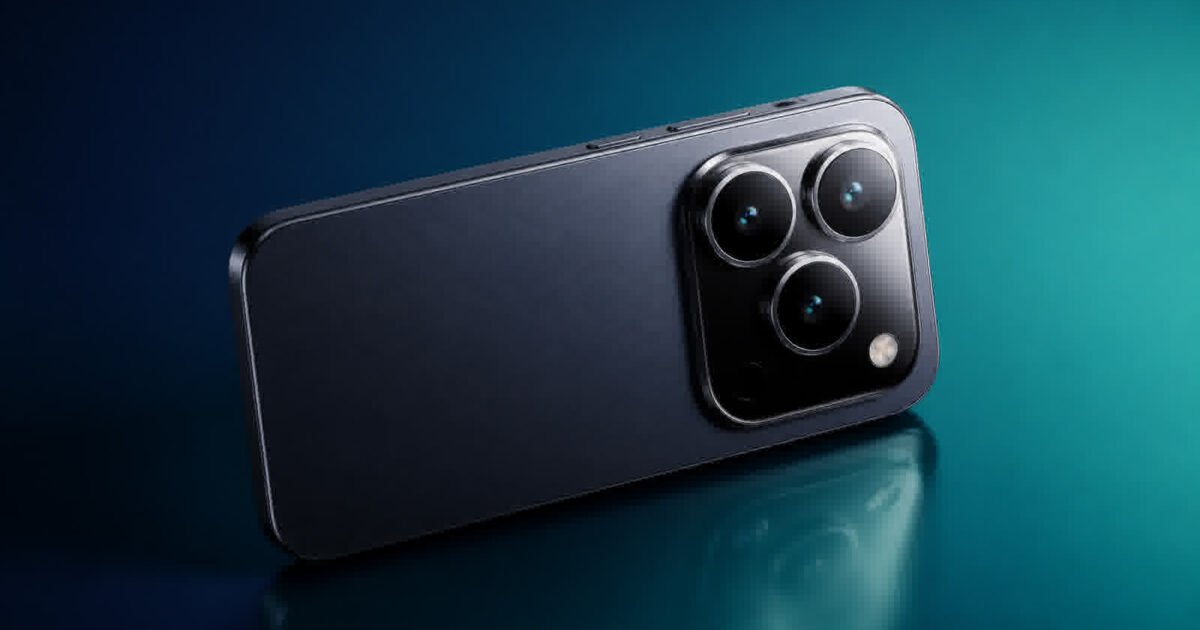
This Vivo X500 Pro Max camera review covers the most camera-obsessed flagship Vivo shipped globally in 2026, and reviewers who tested it in October and November agreed on one thing: nobody else does zoom this well. The headline is a 200-megapixel Zeiss periscope telephoto, but there is more: a Sony main sensor with up to 17 stops of dynamic range, 4K video at 240fps, and stabilization steady enough that Engadget called the footage its steadiest without a gimbal. It costs more than most rivals, misses the US, and trails on the ultrawide. For anyone who lives at 85mm, none of that matters much.
The 30-Second Verdict
The Vivo X500 Pro Max is the zoom phone to beat in 2026. Its 200MP Zeiss periscope telephoto turns out the sharpest long-distance shots reviewers saw from a phone this year, on a bigger sensor and a longer optical lens than the Oppo Find X10 Pro Max or Pixel 11 Pro. The LOFIC main camera adds class-leading dynamic range with natural Zeiss color, and video is outstanding. Trade-offs: a weak ultrawide, an extender kit that costs extra, and no official US release. If photography is the priority, this is the pick.
Vivo X500 Pro Max camera review: the zoom that wins
First, the jargon. A telephoto lens magnifies distant subjects, and an optical zoom multiplies that reach optically, keeping quality high. A periscope telephoto folds the lens sideways inside the phone through a prism, so a long lens fits a slim body. The X500 Pro Max does both: a periscope module with an 85mm lens, a classic portrait focal length, and a 200-megapixel (200MP) Zeiss sensor.
Most phone telephotos are small, but Vivo uses a 1/1.4-inch unit, larger than the 1/1.56-inch sensor inside the Oppo’s zoom. Bigger sensors gather more light, so detail holds up in low light and crops stay sharp. The 3.5x optical zoom beats the Oppo’s 3x, and reviewers call the 10x hybrid zoom, a mix of optical and software enhancement, genuinely usable. HardwareZone called the 10x sharpness jawdropping, and GSMArena recorded its best-ever zoom score on this phone.
The optional Zeiss 400mm Telephoto Extender Gen 2 Ultra clips over the cameras and, paired with the phone’s zoom, reaches an equivalent of 8,100mm, with usable results to about 1,600mm in Can Buy or Not’s testing. It needs a photography kit and case. Reviewers agree the 100x digital ceiling is mush.
LOFIC main camera and Zeiss color
The main camera is a 50MP Sony Lytia L910 with LOFIC, which stands for Lateral Overflow Integration Capacitor. Plainly: each pixel gets a tiny overflow bucket for excess light. In a high-contrast scene, like a street lamp at night, normal sensors wash bright spots out to white; LOFIC catches the overflow and keeps highlight detail. Dynamic range is the span between the darkest and brightest parts of a scene captured in one shot, and Vivo quotes up to 17 stops. The Verge called it world-leading.
Zeiss adds sensor-level color tuning that Stuff.tv praised for a slightly analogue, film-like look, though several reviewers felt processing could overdo highlights. The 50MP ultrawide is the clear weak link, beaten comfortably by the Oppo’s 200MP ultra-wide.
Gimbal stabilization and 4K 240fps video
Stabilization is where this phone shows off. The main camera gets gimbal-grade optical stabilization: the sensor physically shifts to counter handshake across a wide range of motion, doing an external gimbal’s job inside the phone. The telephoto gets CIPA 7.0-rated stabilization, a standardized rating of anti-shake effectiveness in stops of exposure time. It matters most at long zoom, where tiny hand movements become huge in the frame.
Video is a highlight too: 4K at 60fps in Dolby Vision on all three rear cameras, 4K at 240fps slow motion (twice the previous generation, something the Oppo cannot match), and a Pro mode with Log, custom LUTs, and ACES support. The one miss is open-gate recording, which the Oppo has.
How the rivals compare
| Camera feature | Vivo X500 Pro Max | Oppo Find X10 Pro Max | Pixel 11 Pro |
|---|---|---|---|
| Telephoto camera | 200MP, 85mm, 1/1.4-inch | 200MP, 70mm, 1/1.56-inch | 48MP, 105mm, 1/1.95-inch |
| Zoom reach | 3.5x optical, 10x hybrid, 100x digital | 3x optical, 6x lossless crop, 30x AI-assisted | 5x optical, quality to 10x, 120x Pro Zoom |
| Main camera | 50MP LOFIC, up to 17 stops of range | 200MP DeepPix, up to 17 stops of range | 50MP with computational HDR |
| Video | 4K/240fps, 4K/60 Dolby Vision on all cameras | 4K/120fps, 8K/30, open gate | 4K/60, 8K via cloud upscaling |
| Stabilization | Gimbal-grade main, CIPA 7 telephoto | OIS on main and telephoto | OIS on main and telephoto |
How the story shakes out: the Vivo wins on telephoto quality, the Oppo counters with a sharper ultrawide, open-gate video, and a higher-resolution main sensor, and the Pixel undercuts both on price with computational photography. For pure zoom, reviewers put the Vivo first. If a 200MP periscope at a lower price appeals, the Motorola Signature 27 offers the same headline spec with a rougher camera experience, and this guide to the iPhone 18 Pro’s periscope zoom explains how these folded-lens designs work.
Upgrade Check
Upgrade Check
Upgrade from an X300 Pro or X200 Pro if zoom quality, 4K 240fps slow motion, and two-day battery life are worth a serious outlay. Upgrade from a Pixel if long reach and stabilization matter, but remember the Vivo is not sold officially in the US. Hold your money if an X300 Ultra is already in hand; it shares the same telephoto sensor and remains the more distinctive device. Skip entirely if the ultrawide matters more than zoom reach.
Price, battery and the verdict
The X500 Pro Max launched at about €1,799 (roughly $2,000) in Europe and S$2,499 in Singapore. Inside runs MediaTek’s 2nm Dimensity 9600 Pro on a 6.85-inch 144Hz AMOLED that hits 4,500 nits in booster mode, backed by a 7,800mAh battery reviewers called a two-day affair and 90W wired, 40W wireless charging. European units get a smaller cell.
The verdict from the review cycle: Vivo built the class leader on zoom and a genuine contender for the best camera phone of 2026, even where outlets disagreed on whether it edges the Oppo overall. Stuff.tv gave it 4/5 and said it competes for 2026 cameraphone class honors, and GSMArena recorded its best-ever main and zoom scores. It is a specialist’s phone with specialist pricing. If a more rounded camera is preferred, the Best Smartphones 2026 buying guide weighs every flagship side by side. If reaching further than anyone else is the point, this is the camera phone of the year.

Leave a Reply