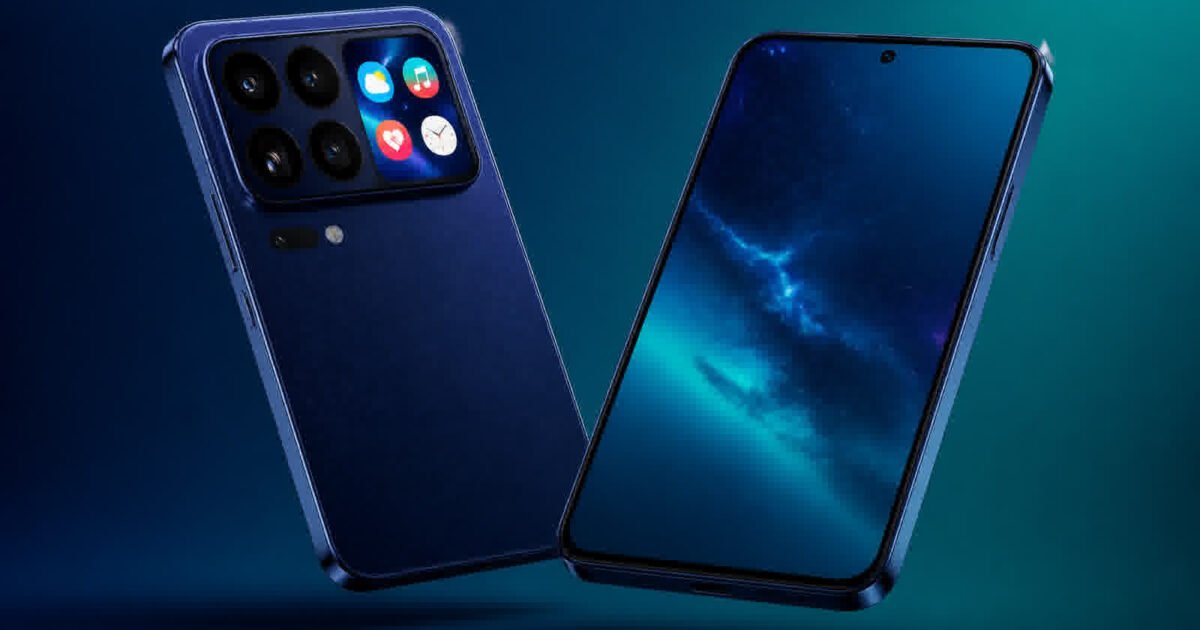
Xiaomi is bringing its two flagship phones to buyers outside China starting November 17, 2026, at an event in Paris. The Xiaomi 18 Pro vs 18 Pro Max face-off is really a question of size versus portability: one is a compact flagship that sits comfortably in a single hand, and the other is a bigger, faster big-screen device with a secondary screen on the back. Both share two standout features — a pair of 200-megapixel Leica cameras and a small AMOLED “Back Display” on the rear that works like a mini screen for notifications, widgets and selfie previews.
If you are deciding which one to buy, this guide lays out what is confirmed, what is still based on leaks, and what each phone does better ahead of the official reveal.
The 30-Second Verdict
These are two flagship twins that differ mostly in size, screen and power. The standard Xiaomi 18 Pro stays pocket-friendly with a 6.4-inch display and the Snapdragon 8 Elite Gen 6 chip. The Xiaomi 18 Pro Max jumps to a 6.9-inch screen, a faster Snapdragon 8 Elite Extreme Gen 6 processor and a larger battery. Both carry the same triple-camera concept and the same rear Back Display. Want the biggest battery and fastest chip? Pick the Max. Prefer a phone that is easier to hold and carry? Pick the standard Pro. Just remember that global battery sizes and European prices are not yet official, so treat those numbers as early guesses until the November 17 event.
What both phones share
Before the differences, know what the whole 18 Pro series shares, because the two models are far more alike than different.
The dual-200MP Leica camera system
The headline feature is a dual 200-megapixel Leica setup on both phones. In plain terms, that means a 200-megapixel main camera for everyday shots and a separate 200-megapixel periscope telephoto lens for zoomed-in photos that keep their detail. Both include optical image stabilisation, which keeps photos sharp when your hands move slightly. A 50-megapixel ultrawide camera rounds out the trio, and the front camera is also 50 megapixels.
Why does 200 megapixels matter? High-megapixel sensors capture more detail in good light and give you room to crop into a photo without it turning blurry. In low light, the phone combines several small pixels into one bigger pixel, so you still get bright, clean images despite the high sensor count.
The Back Display
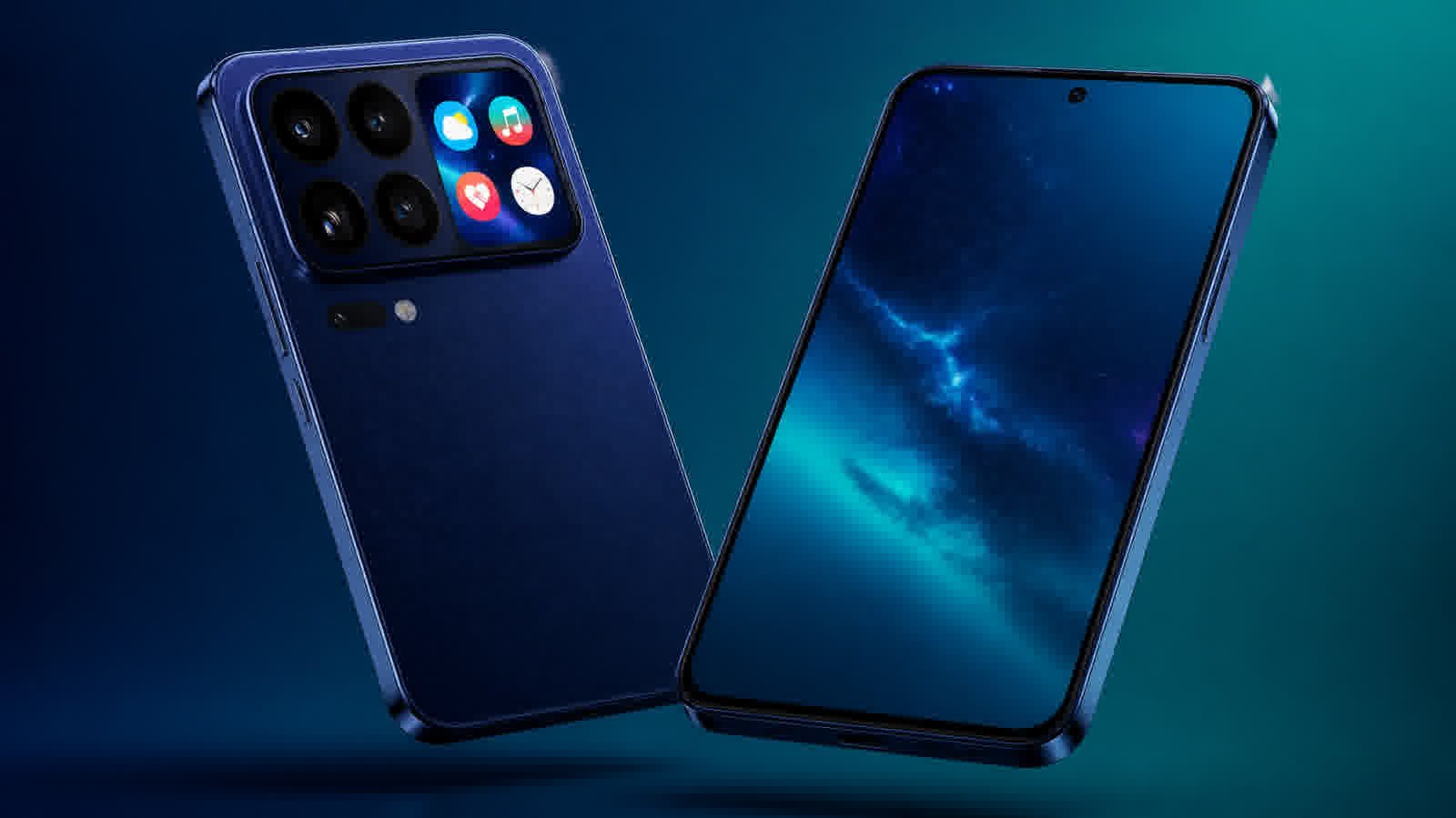
Both phones add a small AMOLED screen on the back, near the camera module. The standard Pro gets a 2.7-inch panel, while the Pro Max carries a larger 2.9-inch version. It handles notifications, the time, quick toggles and a selfie preview when you use the rear camera by itself, so you can frame a shot with the heavy-duty lens while seeing yourself on the back screen. It is one of the clearest ways these phones stand out.
Large front displays and a Privacy Display feature
The main screens are AMOLED with a 120Hz refresh rate and a claimed peak brightness of up to 4,000 nits. A 120Hz display refreshes twice as often as a standard 60Hz screen, making scrolling feel smoother. High peak brightness matters outdoors, where sunlight normally washes out the panel. Xiaomi also includes a Privacy Display feature that limits how much on-screen content is visible from sharp side angles — handy for reading messages on a crowded train.
Software and performance platform
Both models run HyperOS 4, built on Android 17. The Chinese versions ship with up to 16GB of LPDDR5X RAM and up to 1TB of UFS 4.1 storage — fast memory and storage for apps, games and large photo libraries. Both chips are built on a 2-nanometer process, which helps battery life because smaller, more efficient transistors use less power while delivering more punch.
Where the Xiaomi 18 Pro and 18 Pro Max differ
The two phones diverge on three main points: screen size, processor and battery capacity.
Chipset: standard versus Extreme
The Xiaomi 18 Pro runs the Snapdragon 8 Elite Gen 6, while the Pro Max upgrades to the Snapdragon 8 Elite Extreme Gen 6. The “Extreme” variant is expected to run at higher clock speeds and deliver more performance in demanding tasks such as heavy gaming and 8K recording. For a typical buyer who scrolls, streams and takes photos, the difference will be small in daily use; it matters most to people who push the phone hard.
Battery capacity
Here is where we must be careful: the figures below are for the Chinese versions and not confirmed for global markets. In China, the Xiaomi 18 Pro carries a 7,000mAh battery and the Pro Max a larger 8,500mAh unit, both with 100W wired charging. Reports indicate the global models may ship with smaller batteries than their Chinese counterparts, a pattern Xiaomi has followed on earlier flagships to meet certification and shipping requirements elsewhere. Based on leaks, expect the gap between the two to remain, but treat the exact global figures as unconfirmed until November 17.
Display and size
The standard Pro uses a 6.4-inch AMOLED screen, while the Pro Max moves up to a 6.9-inch panel. Both share the 120Hz refresh rate, 4,000-nit peak brightness and the Privacy Display feature, and both have their own rear Back Display. The practical upshot is that the Pro is easier to use one-handed and slips into tighter pockets, while the Pro Max suits anyone who wants a bigger canvas for video, games and reading.
Which size fits your life
The screen size decision is about more than looks. The 6.4-inch model is the easier daily companion for one-handed typing, quick messaging and small bags or coat pockets, and it feels lighter in the hand through a long day. The 6.9-inch model is the home theater of the pair: movies, split-screen multitasking and mobile games feel more immersive, and the bigger battery backs up that bigger display. Neither is objectively better — the right pick depends on whether you want portability or screen real estate, and how often you game or binge-watch on your phone.
Comparison table: Xiaomi 18 Pro vs 18 Pro Max
| Feature | Xiaomi 18 Pro | Xiaomi 18 Pro Max | Winner |
|---|---|---|---|
| Chip | Snapdragon 8 Elite Gen 6 | Snapdragon 8 Elite Extreme Gen 6 | Pro Max |
| Cameras | Dual-200MP Leica + 50MP ultrawide, 50MP front | Dual-200MP Leica + 50MP ultrawide, 50MP front | Tie |
| Battery (global, reports) | Reports indicate a smaller pack than China’s 7,000mAh | Reports indicate a smaller pack than China’s 8,500mAh | Pro Max |
| Display / Back Display | 6.4-inch 120Hz AMOLED + 2.7-inch Back Display | 6.9-inch 120Hz AMOLED + 2.9-inch Back Display | Pro Max (size) |
| Price (EU, reports) | Unconfirmed; based on leaks a lower tier of the pair | Unconfirmed; based on leaks higher than the 18 Pro | TBD |
| Availability | Global launch confirmed Nov 17, 2026, Paris | Global launch confirmed Nov 17, 2026, Paris | Tie |
Price expectations in Europe
Pricing is the biggest open question, and nothing is official yet. The phones went on sale in China in September, but European pricing has not been announced. Reports indicate the global 18 Pro and 18 Pro Max will carry premium price tags, and GSMArena’s early commentary cautions that international buyers should expect smaller batteries and higher prices than the Chinese versions. Based on leaks, the Pro Max is expected to sit above the standard Pro in the EU price list, but treat the exact figures as guesses until Xiaomi reveals them in Paris.
If price is your deciding factor, wait for the November 17 announcement before committing. Regional availability and carrier contracts often change the effective cost.
Upgrade Check
Should you upgrade, and from what? A quick way to think about it:
- If you own a Xiaomi flagship from 2023 or earlier, the jump in camera detail, the always-visible Back Display and the far larger battery will feel like a real step forward. The dual-200MP Leica system alone justifies the move for photography-focused owners.
- If you bought a recent flagship in 2025, you gain the Back Display and better low-light processing, but the core experience is much the same. Unless you specifically want the 6.9-inch screen on the Pro Max, there is no pressing reason to spend.
- Choosing between the two: pick the 18 Pro Max only if you genuinely want the biggest display, the Extreme chip and the largest battery. Everyone who wants a do-everything flagship that stays pocketable will be happier with the standard 18 Pro at a lower expected price.
What to watch at the November 17 event
The global launch takes place in Paris on Tuesday, November 17, 2026, around 13:00 UTC (2pm in France). Xiaomi plans to live stream the event on YouTube and X, and the teaser promises “more surprises.” Xiaomi has confirmed only the two Pro phones for now, with no vanilla or Ultra variant expected globally.
Watch most closely for the final global battery capacities, the actual European prices, and whether the international models keep the same RAM and storage options as the Chinese versions. We will update this guide the moment the official numbers land.
The bottom line
The Xiaomi 18 Pro vs 18 Pro Max choice comes down to size and speed. Both deliver the same standout dual-200MP Leica cameras and the clever Back Display, and both are confirmed to launch globally on November 17 in Paris. Choose the 18 Pro for a compact, easy-to-carry flagship; choose the 18 Pro Max for the biggest screen, the fastest Extreme chip and the largest battery of the pair. Global battery sizes and EU prices are still unconfirmed, so lock in your decision only after the official reveal.
For more context on how these phones fit the wider market, see our best smartphones of 2026 buying guide, our overview of 2026 mobile tech news, our guide to the future of mobile foldables and wearables, our roundup of the best mobile apps of 2026, and a closer look at how to choose the right phone screen size.
Reviewed and approved by Prof. Ajay S., professor at a State University in Delhi.



Leave a Reply